In the early days of SEO, site architecture was rigid.
You built "Silos"-strict, isolated categories where Page A could only link to Page B if they lived in the same folder.
It was neat. It was organized.
And in 2026, it might be choking your rankings.
With the rise of AI Answer Engines and Generative Engine Optimization (GEO), search algorithms have shifted from reading directories to reading relationships.
They don't care if your URL says /blog/category/post.
They care if the content is semantically connected to an authoritative entity.
So, should you stick to the strict Silo Structure or pivot to the flexible Topic Cluster model?
This guide breaks down the difference, explains why AI favors clusters, and reveals the "Hybrid Strategy" that dominates the SERPs in 2026.
The Contenders: Definitions
1. Silo Structure (The Library)
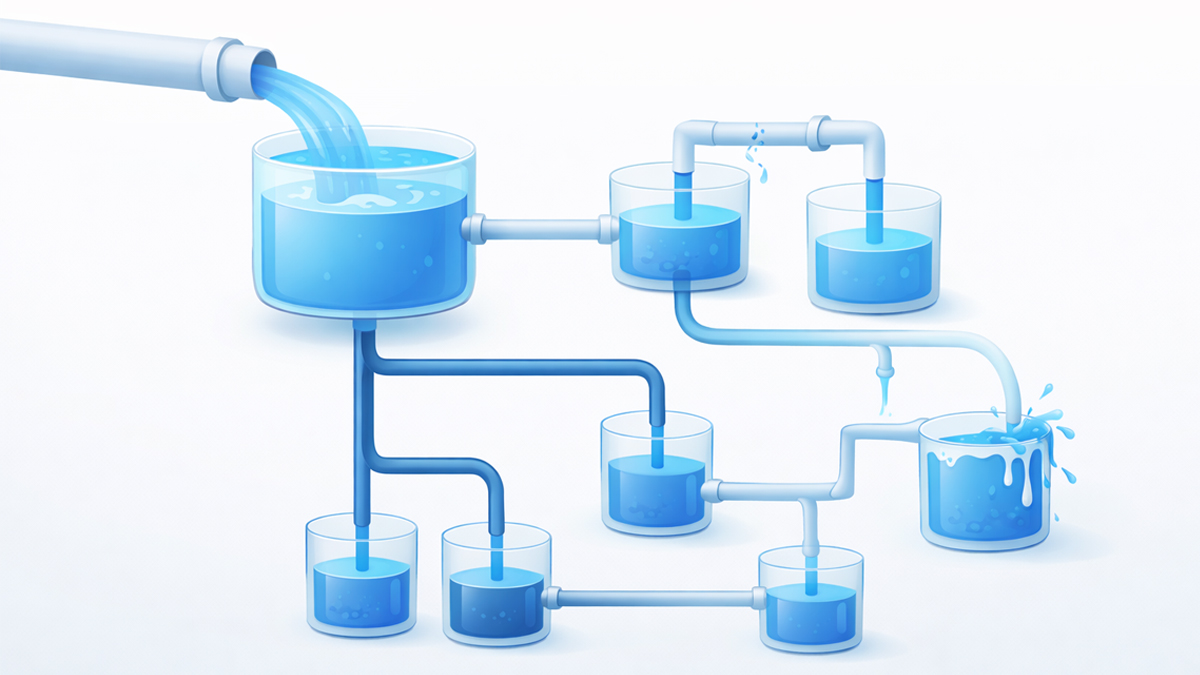
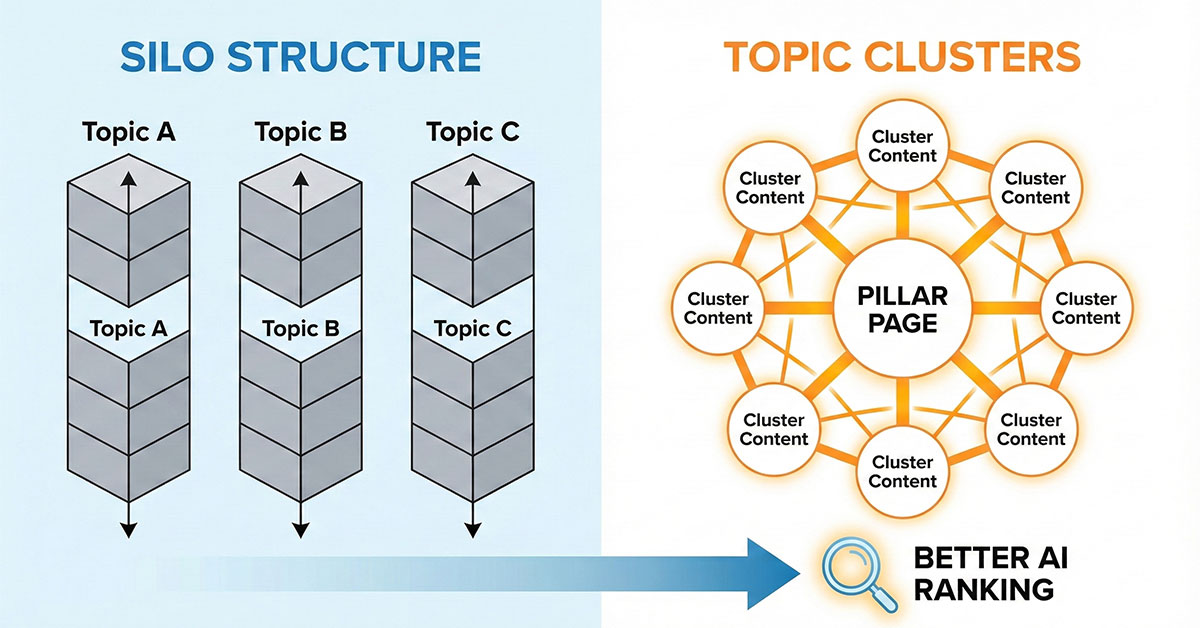
Siloing is a method of grouping related content into distinct sections (directories).
It is strictly hierarchical.
-
The Rule: You rarely (or never) link between different silos. A page in the "Shoes" silo links only to other "Shoe" pages, never to "Socks."
-
The Goal: To focus keyword relevance strictly within one vertical.
-
Best For: Massive e-commerce sites (Amazon, eBay) where cross-linking every product would create chaos.
2. Topic Clusters (The Web)
The Topic Cluster model, popularized by HubSpot, is based on a "Hub and Spoke" architecture.
-
The Rule: A central "Pillar Page" links to many "Cluster Pages." Crucially, cluster pages can link to related content in other clusters if it adds value.
-
The Goal: To demonstrate Topical Authority and semantic depth.
-
Best For: Content sites, B2B services, and modern SaaS blogs.
Why AI Bots Prefer Topic Clusters
AI models (like Google's Gemini or ChatGPT) function on Vector Embeddings.
They understand concepts by seeing how they relate to one another in a multi-dimensional space.
The "Semantic Wall" Problem
In a strict Silo, you create artificial walls.
-
Example: You have a "SEO" silo and a "Content Marketing" silo.
-
The Reality: These topics overlap heavily.
-
The AI Failure: If you don't link your "Keyword Research" article (SEO Silo) to your "Blog Writing" article (Content Silo), you break the semantic context. The AI fails to see the relationship, viewing your site as fragmented rather than authoritative.
Topic Clusters destroy these walls.
They allow you to define an Entity (e.g., "Digital Marketing") and link all relevant sub-entities, regardless of where they sit in the URL folder structure.
The Verdict: When to Use Which?
You don't always have to choose.
The best sites in 2026 use a Hybrid Model.
Scenario A: The E-Commerce Giant (Use Physical Silos)
If you sell 10,000 products, you need strict Physical Silos (URL structure) to manage your crawl budget.
-
URL: site.com/clothing/mens/shirts/t-shirt-vneck
-
Why: It helps Googlebot understand the massive hierarchy instantly.
-
BUT: You should use "Virtual Clusters" via a "Related Products" widget to link cross-category (e.g., "Complete the Look: Jeans" on a Shirt page).
Scenario B: The Authority Blog (Use Topic Clusters)
If you are selling knowledge (services, affiliate, SaaS), strict silos will hurt you.
-
Strategy: Build massive Pillar Pages that link to everything relevant.
-
Why: You want to be the "Wikipedia" of your niche. Wikipedia is the ultimate Topic Cluster-everything links to everything else if it defines a concept.
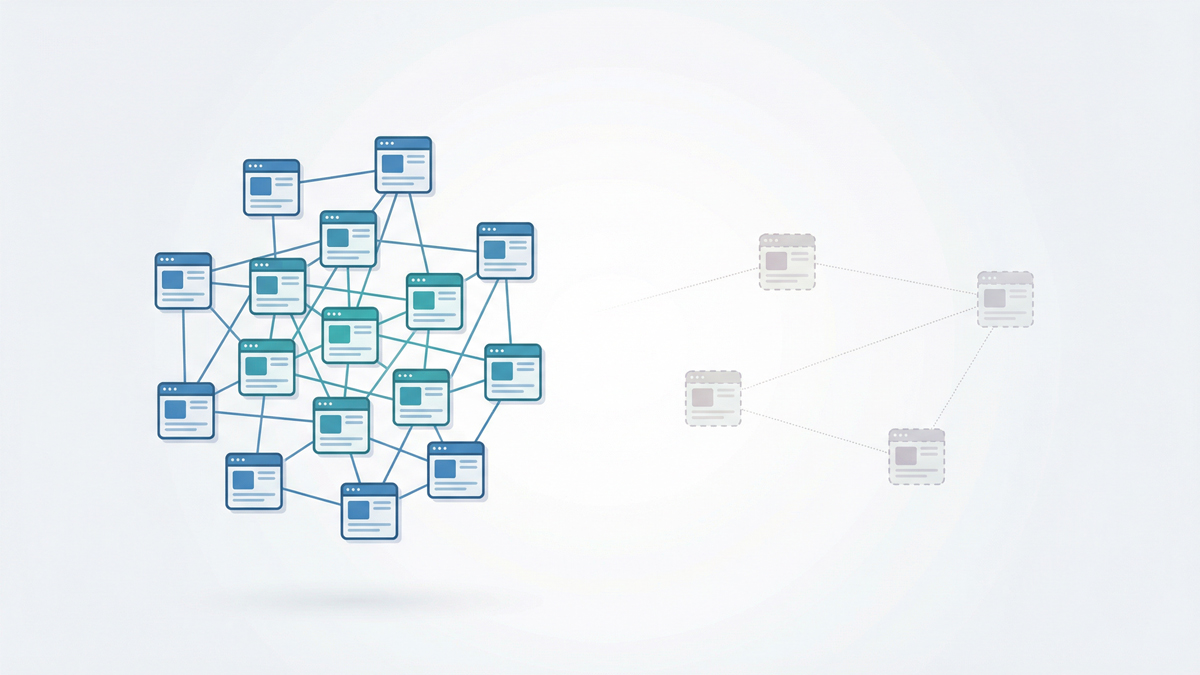
Visual Check: Are your clusters actually connecting? Visualize your site structure with our free tool. If you see isolated groups of dots that don't connect to the center, your clusters are broken.
How to Implement the "Hybrid" Strategy
Combine the technical cleanliness of Silos with the semantic power of Clusters.
-
Hard Silos for URLs: Keep your URL slugs clean and categorized (/services/seo/ vs /services/ppc/) to maintain a clean site architecture.
-
Soft Clusters for Links: Ignore the folders when writing content. If your "PPC Guide" mentions "Landing Page Optimization" (which lives in the Design category), link to it.
-
The "Parent" Rule: Ensure every single page links back to its primary Parent (Pillar) Page. This creates the "Spoke" that holds the wheel together.
Conclusion: Tear Down the Walls
In 2026, the winner is Connectivity.
Search engines have moved beyond keywords to understanding "Things" (Entities). Strict silos treat entities as isolated islands.
Topic clusters treat them as a connected continent.
To rank in AI Overviews, you must show the algorithm that you understand the entire web of a topic, not just one vertical slice.
Is your site a Silo or a Cluster?
Don't assume-verify. Run a Free Internal Link Audit to see if your "walls" are blocking your rankings.